Jackson Pollock Takes Over New York: Two Exhibitions to See This Fall
This fall, New York offers a rare opportunity to experience Jackson Pollock from two very different perspectives. Two exhibitions—one at The Metropolitan Museum of Art and another at Pace Gallery—look beyond Pollock’s instantly recognizable drip paintings to explore his artistic development, private creative process, and important relationship with fellow artist Lee Krasner. Glenwood residents keep reading to find out more.
Krasner and Pollock: Past Continuous at The Met
The Met’s major new exhibition, Krasner and Pollock: Past Continuous, brings together more than 120 works to examine the careers of Jackson Pollock and Lee Krasner side by side. Running through January 31, 2027, it is the first major New York presentation devoted to either artist in more than 20 years.
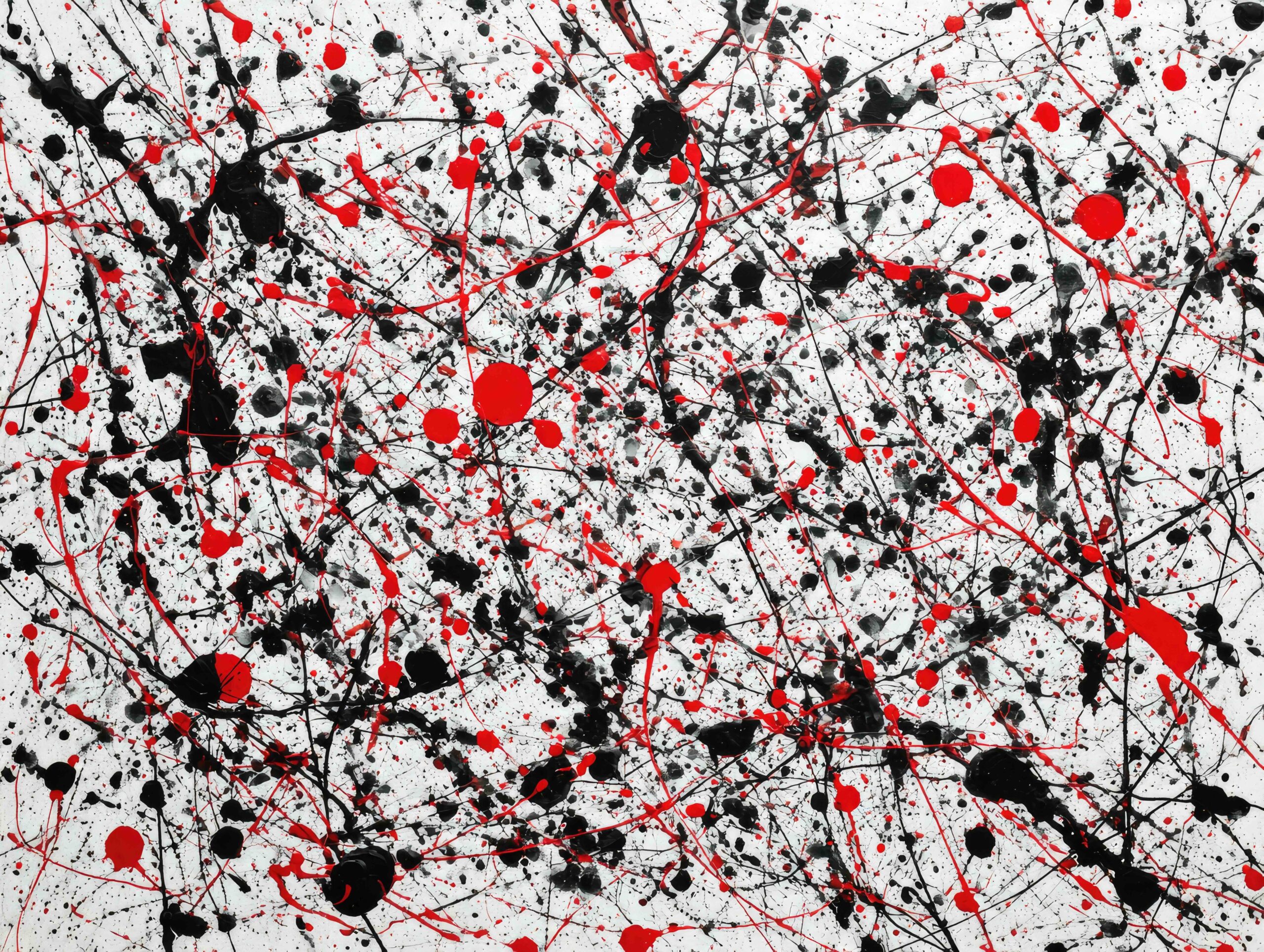
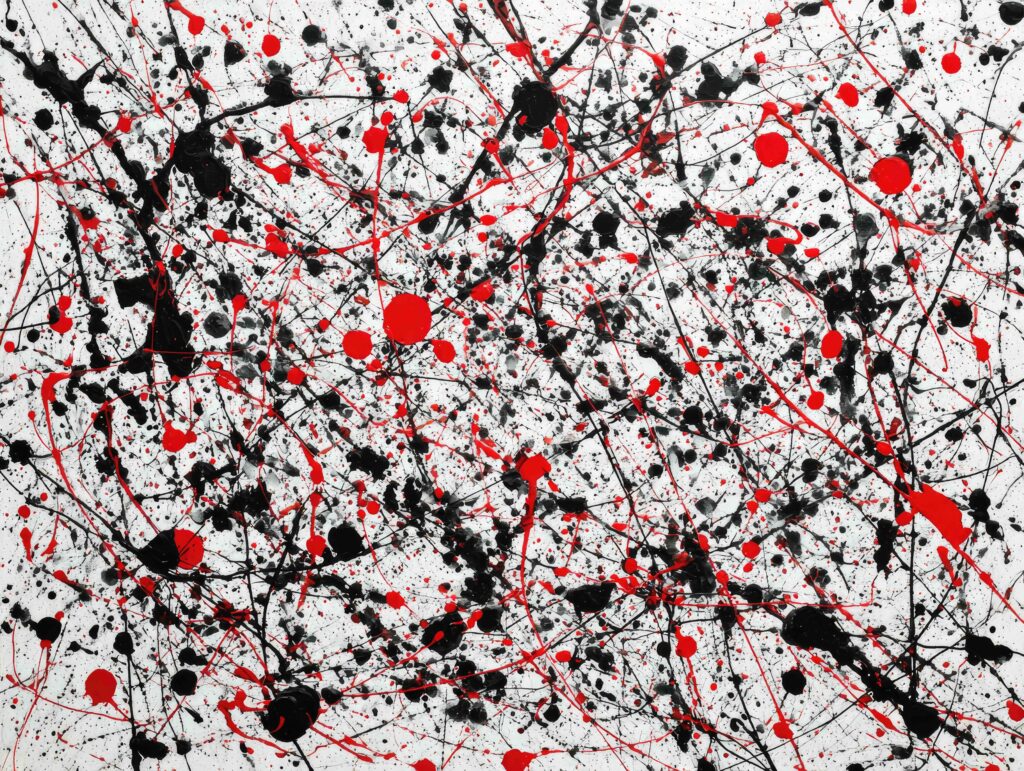
Pollock became one of the defining figures of Abstract Expressionism, transforming modern painting through his radical approach of pouring, dripping and splattering paint across canvases laid on the floor. The exhibition includes his monumental Autumn Rhythm: Number 30, 1950, one of the great examples of this revolutionary technique.
But the exhibition also tells a much broader story. Pollock and Krasner met as emerging artists in New York in 1941, married in 1945 and moved to Springs, Long Island. Their lives and artistic practices became deeply intertwined. Rather than positioning Krasner simply as Pollock’s wife, The Met presents the two as artistic peers who influenced one another while developing distinct bodies of work.
Seeing their paintings together offers a fascinating new perspective on two artists who helped reshape American art in the middle of the 20th century.
The Metropolitan Museum of Art
October 4, 2026–January 31, 2027
Krasner and Pollock: Past Continuous at The Met
Jackson Pollock: Intimate Legacy at Pace Gallery
For a completely different—and much more intimate—look at Pollock, head downtown to Pace Gallery in Chelsea.
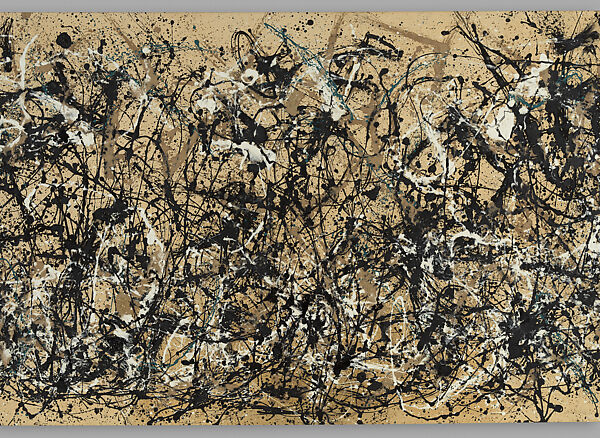
Jackson Pollock: Intimate Legacy focuses on the quieter, lesser-known side of the artist. Instead of monumental canvases, the exhibition brings together works on paper, sketchbook pages, silkscreens, engravings, drypoint prints and a rare sculpture.
Some of the objects are remarkably personal. The exhibition includes a drawing Pollock made for his therapist, pages from one of only five sketchbooks he created during his lifetime, and even paint-splattered stools used by Pollock and Krasner in their Springs studio. Together, they offer a glimpse of the artist away from the mythology that eventually surrounded his enormous drip paintings.
One particularly interesting inclusion is a bronze cast made from an early stone head Pollock sculpted around 1930–33. Before becoming one of the most famous painters of the 20th century, Pollock had actually intended to become a sculptor.
Seen together, the Pace and Met exhibitions make an especially compelling pairing. The Met gives us Pollock on the grand scale—his place in art history and his creative dialogue with Krasner—while Pace gives us the private Pollock: his drawings, experiments and personal objects.
For art lovers in New York this fall, it is a rare chance to see both the icon and the artist behind it.
Pace Gallery, 540 West 25th Street
September 11–October 24, 2026
Jackson Pollock: Intimate Legacy at Pace Gallery
Posted in manhattan living |